

📌 주제와 소재
This article details the historic 18 billion dollar legal settlement between Meta Platforms Inc. and 52 U.S. state and territory attorneys general regarding teen social media addiction. It examines the algorithmic mechanics of Instagram and Facebook, the financial structure of the multi-year payout, and the key testimonies and legal arguments involved in the case.
📌 목차
- 1. Executive Summary & The Dramatic Mid-Trial Breakthrough in Oakland
- 2. Comprehensive Key Figures & Disputed Legal Claims Matrix
- 3. Architectural Anatomy of Addiction: Algorithmic Mechanics & COPPA Violations
- 4. Financial Engineering of the Settlement: Liquidity, Liability, and CapEx Ratios
- 5. Platform Product Modifications: Specifications and Default Technical Mandates
- 6. Historical Parallels: The 1998 Tobacco Master Settlement Agreement vs. Meta 2026
- 7. Public Sentiment, Investor Relief, and Remaining Legal Liabilities
- 8. Strategic Market Outlook: The Domino Effect on TikTok, Alphabet, and Federal Legislation
1. Executive Summary & The Dramatic Mid-Trial Breakthrough in Oakland
 지도에서 크게 보기
In what marks the most consequential consumer protection and corporate accountability settlement in Silicon Valley history, Meta Platforms Inc. has reached a landmark mid-trial agreement with a coalition of state attorneys general. The multi-billion-dollar accord abruptly concluded a high-stakes jury trial underway in the U.S. District Court for the Northern District of California in Oakland. Presided over by U.S. District Judge Yvonne Gonzalez Rogers, the proceedings were slated to span six weeks of contentious cross-examinations, internal document disclosures, and high-profile executive testimonies. However, before the trial could enter its third week—and immediately prior to the scheduled sworn testimony of Meta Chief Executive Officer Mark Zuckerberg—both parties finalized a sweeping settlement that fundamentally alters how social media platforms interact with minor users.
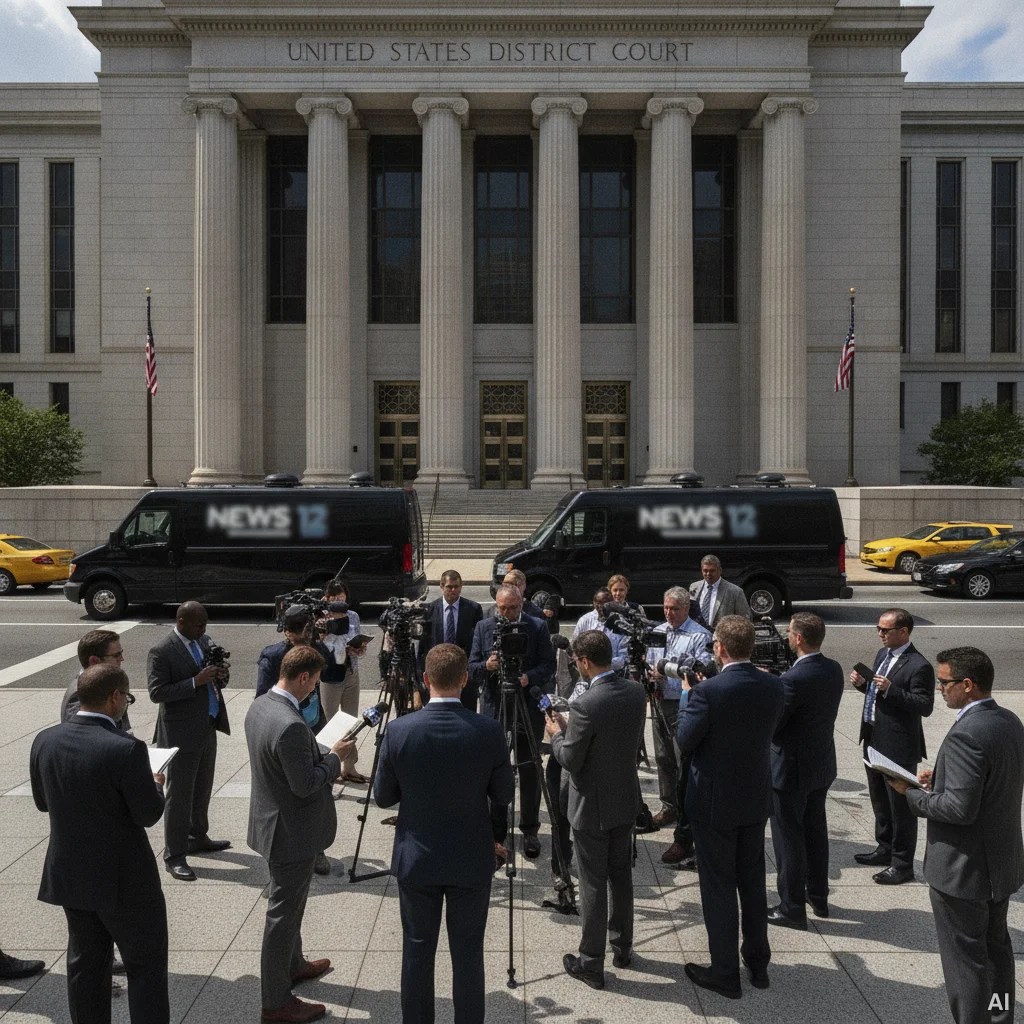
Chronology of the Settlement: From Jury Selection to Abrupt Resolution
The litigation originated from a coordinated bipartisan investigation initiated by state attorneys general in the wake of the 2021 “Facebook Files” whistleblowing revelations. Formal federal lawsuits were unified in late 2023, consolidating complaints from across the nation into a single omnibus action alleging intentional engineering of platform addiction among teenagers. The trial commenced with acute scrutiny directed at Meta’s internal engineering architecture, algorithmic feedback loops, and internal research regarding adolescent mental health deterioration.
During the opening phase, state prosecutors presented a relentless evidentiary sequence outlining how features such as infinite scrolling, algorithmic push notifications, and intermittent reward feedback (“Likes”) were strategically deployed to maximize time spent on Instagram and Facebook. As early witness examinations began exposing internal emails detailing executive awareness of mental health harms, settlement negotiations accelerated behind closed doors. The resulting agreement forestalls further jury deliberations, cancels pending depositions, and establishes an extensive, enforceable compliance mechanism backed by multi-billion-dollar financial commitments.
Scope of the Agreement: 52 Attorneys General and Record Financial Concessions
The legal scope of the settlement encompasses 47 U.S. states alongside five attorneys general representing U.S. territories and Washington D.C., uniting a total of 52 jurisdictions under a unified consent decree. The financial structure stipulates a maximum payout ranging between approximately $17 billion and $18 billion, distributed over a ten-year amortization schedule. The baseline cash distribution is established at about $12.7 billion, with upward escalators tied directly to concurrent industry participation and settlement milestones involving co-defendants and peer platforms.
 지도에서 크게 보기
Geographically, funds are allocated across participating states under weighted statutory distribution formulas. California is slated to receive between approximately $1.5 billion and $2.1 billion; Colorado has secured an allocation of about $615 million; and the Commonwealth of Virginia is designated to receive about $353 million. These funds are legally earmarked for youth mental health infrastructure, public awareness initiatives, school counseling resources, and regional digital wellness intervention systems.
2. Comprehensive Key Figures & Disputed Legal Claims Matrix
The litigation centered on profound disagreements regarding corporate liability, product safety engineering, and statutory compliance with the Children’s Online Privacy Protection Act (COPPA). Below is the comprehensive evidentiary matrix detailing the verified positions, official testimonies, and legal arguments entered into the record by key stakeholders.
Official Testimony and High-Stakes Legal Positions
| Stakeholder / Official | Entity / Jurisdiction | Key On-the-Record Statement / Sworn Position | Core Legal & Strategic Objective |
|---|---|---|---|
| Rob Bonta | California Attorney General | “We have secured a settlement with Meta that will make social media less dangerous for our kids and make a world of a difference for children and their families. This is a major breakthrough, a milestone moment, a watershed moment.” | Establish structural product safety baselines, compel algorithmic transparency, and secure state-level intervention funding. |
| Phil Weiser | Colorado Attorney General | “The focus of this case was to protect our kids. The relief we are getting in this settlement is very meaningful and well beyond what any court has ordered or is likely to order.” | Enforce architectural redesigns of core engagement loops that bypass traditional judicial remedies. |
| Jay Jones | Virginia Attorney General | “For years, Meta intentionally deceived the public about the addictive and harmful design features that have wreaked havoc on youth mental health. The settlement will put an end to these dangerous practices and deliver meaningful relief that will protect children from online harm.” | Penalize deceptive business practices under state consumer protection statutes and eliminate predatory teen targeting. |
| CJ Mahoney | Chief Legal Officer, Meta Platforms Inc. | “I’m pleased to announce that Meta has reached an agreement with a bipartisan group of state attorneys general from around the country on a new set of rules governing teens’ use of social media. The framework we’ve negotiated will empower parents to easily manage how their children access our platforms. Our new Time Limit commitments, Night Mode features and usage limits during school hours set the right path forward for our whole industry, but this framework will only work if all our peers join us.” | Eliminate existential financial exposure, deny statutory liability, and bind regulatory concessions to competitor enforcement. |
| Adam Mosseri | Head of Instagram (Sworn Trial Testimony) | Defended Meta’s record on child safety and privacy during trial testimony, maintaining that he never instructed or encouraged staff to conceal safety research. | Defend corporate integrity, clarify executive oversight protocols, and mitigate allegations of intentional internal cover-ups. |
| Sacha Haworth | Executive Director, Tech Oversight Project | “We cannot truly protect all children and teens until these protections are required on every platform and are permanent — that’s something only Congress can do.” | Demand statutory federal codification beyond civil settlements to eliminate systemic social media extraction models. |
3. Architectural Anatomy of Addiction: Algorithmic Mechanics & COPPA Violations
The substantive foundation of the states’ case rested upon rigorous technical analysis detailing the psychological and neurochemical mechanics embedded directly into Meta’s application code. The prosecution argued that the company intentionally engineered algorithmic engagement cycles designed to trigger dopamine pathways in developing adolescent brains, maintaining digital engagement at the expense of psychological stability.
The Dopamine Engine: Infinite Scroll, Algorithmic Intermittent Reinforcement, and Push Alerts
State technical experts demonstrated that the user interfaces of Instagram and Facebook utilize variable reward schedules—a behavioral conditioning mechanism identical to that employed in slot machine architectures. By replacing traditional pagination with the friction-free “Infinite Scroll,” the applications eliminate cognitive stopping cues, resulting in prolonged session durations among minors.

Furthermore, the platforms’ notification architectures were calibrated to deploy algorithmic push notifications during known vulnerable intervals, including school instructional hours and typical sleep periods. The state demonstrated that metric optimization models prioritized push notification open rates (CTR) over user sleep continuity, directly correlating with documented rises in adolescent insomnia, clinical anxiety, and depressive symptomology.
Frances Haugen’s Disclosures and the ‘Hook, Hold, Harvest, Hide’ Framework
A central pillar of the trial narrative was the historical evidentiary trail provided by former product manager Frances Haugen. The unredacted internal research demonstrated that Meta’s data scientists had repeatedly documented that Instagram exacerbated body image dysmorphia among one in three teenage girls, while actively contributing to suicidal ideation within vulnerable cohorts. Despite these internal findings, product roadmaps continued to prioritize core engagement metrics over consumer safety guardrails.
In their courtroom presentations, the state attorneys general crystallized Meta’s operational strategy into a four-stage behavioral extraction model labeled “Hook, Hold, Harvest, Hide”:
- Hook: Lowering onboarding barriers and utilizing aggressive viral visual loops to capture users under the age of 18.
- Hold: Eliminating friction through infinite scrolling, auto-playing video feeds, and unpredictable algorithmic feedback to prolong dwell time.
- Harvest: Collecting behavioral data, interaction frequencies, and biometrically adjacent engagement patterns in violation of statutory privacy standards.
- Hide: Systematically redacting, burying, or classifying internal research studies that demonstrated severe negative mental health correlations before executive dissemination.
Additionally, the states substantiated claims that Meta systematically violated COPPA by knowingly maintaining millions of accounts belonging to children under the age of 13 without verifiable parental consent (VPC), harvesting their behavioral interaction profiles for targeted algorithmic modeling.
4. Financial Engineering of the Settlement: Liquidity, Liability, and CapEx Ratios
To evaluate the true economic magnitude of the agreement, the financial obligations must be analyzed alongside Meta’s macro-level balance sheet capabilities, annual capital deployment rates, and the theoretical worst-case liabilities avoided through mid-trial execution.
Maximum $18 Billion Settlement Structure vs. $1.4 Trillion Exposure
The total agreed resolution of up to approximately $17 billion to $18 billion represents a decisive strategic risk mitigation maneuver by Meta’s executive leadership. Prior to settlement, the statutory penalties and cumulative punitive damages sought by the 52 jurisdictions totaled an astronomical $1.4 trillion. A judgment of that magnitude would have equaled nearly the entirety of Meta’s enterprise market capitalization (fluctuating between approximately $1.36 trillion and $1.50 trillion), representing an existential insolvency risk.
By structuring the payout across a 10-year installment schedule, Meta’s annualized cash outflow is capped at about $1.7 billion to $1.8 billion per year. This installment model ensures that the company can comfortably service its legal settlement obligations entirely out of routine operating cash flows without necessitating asset divestitures, debt issuances, or reductions in shareholder equity programs.
Meta’s Balance Sheet Resilience: Net Income and AI Infrastructure Absorption
A granular review of Meta’s audited financial figures underscores the manageable nature of this liability relative to overall corporate cash generation:
- Annual Gross Revenue: ~$201 billion
- Annual Net Income: ~$60 billion
- Annual Capital Expenditures (CapEx): $130 billion to $145 billion (heavily concentrated in advanced AI clusters, data centers, and custom silicon)
- Annualized Settlement Obligation ($1.8B/year): Represents approximately 2.8% to 3.0% of Meta’s annual net income.
From an institutional finance perspective, an annual obligation consuming under 3% of baseline net profit constitutes an immaterial operational headwind. The settlement transforms an unbounded, catastrophic litigation risk into a predictable, fixed operating expense, allowing Meta’s executive team to focus strategic capital allocations on expanding its artificial intelligence and infrastructure dominance.
5. Platform Product Modifications: Specifications and Default Technical Mandates
The consent decree mandates a comprehensive set of technical platform overhauls across Instagram and Facebook. Crucially, these product modifications are legally required to be implemented as hardcoded system defaults (Default On), precluding the user-friction opt-in workarounds previously deployed by the company.
========================================================================================
META PLATFORM STRUCTURAL REMEDIATION MANDATES (APPLICABLE TO AGES 13-17)
========================================================================================
[Rule 1: Daily Usage Cap]      --> Default hard limit of 2 Hours/Day across applications
[Rule 2: Nocturnal Shutdown]   --> Automatic application lockout between 00:00 and 06:00
[Rule 3: School DND Protocol]  --> Complete suppression of push notifications during school hours
[Rule 4: Dysmorphia Filter Ban]--> Full deprecation of surgical & facial-altering AR filters
[Rule 5: Parental Pairing]     --> Cryptographic parental authorization required for overrides
========================================================================================
Daily Time Caps and Overnight Shutdown Protocols
Under the terms of the consent decree, all registered accounts verified or algorithmically identified as belonging to users aged 13 through 17 will receive an automatic, mandatory 2-hour daily screen time cap. Upon reaching this operational threshold, application access is restricted. Overriding this daily cap requires explicit, authenticated authorization via Meta’s Family Pairing parental dashboard.
Furthermore, the platforms must enforce an automatic nocturnal shutdown protocol spanning from midnight (00:00) to 06:00 local time. During this six-hour window, the applications will lock active feeds and suppress all incoming direct messaging alerts, preventing late-night engagement cycles. In parallel, dynamic geo-fencing and scheduling will suppress mobile push notifications during standard regional school hours to eliminate classroom disruptions.

Algorithmic Filter Restrictions and Family Pairing Enforcement
Addressing the widespread clinical findings regarding adolescent body dysmorphia, the settlement mandates the complete deactivation and removal of augmented reality (AR) visual filters that simulate invasive cosmetic surgeries, extreme jawline contouring, or unnatural body shape alterations for teen accounts. The algorithmic recommendation engine will also be barred from serving repetitive diet, extreme weight loss, or cosmetic enhancement content to minors.

Meta must also transition its “Take a Break” reminders from an elective, buried opt-in setting into an active, system-enforced standard. State-appointed independent technical monitors will retain continuous auditing rights over Meta’s client-side code releases and backend algorithmic deployment pipelines to ensure full compliance.
6. Historical Parallels: The 1998 Tobacco Master Settlement Agreement vs. Meta 2026
Legal historians and regulatory analysts view the Meta mid-trial accord as the modern digital equivalent of the landmark 1998 Tobacco Master Settlement Agreement (MSA). Both cases involved entrenched corporate conglomerates leveraging addictive product designs, possessing internal research confirming consumer harm, and facing coordinated multi-state legal coalitions.
Comparative Analysis: Tobacco MSA (1998) vs. Meta Teen Settlement (2026) vs. EU DSA
| Metric / Regulatory Domain | 1998 Tobacco Master Settlement (MSA) | Meta Teen Addiction Settlement (2026) | EU Digital Services Act (DSA) Framework |
|---|---|---|---|
| Regulated Entities | Major U.S. Tobacco Manufacturers (Philip Morris, RJR, etc.) | Meta Platforms Inc. (Facebook, Instagram) | All Very Large Online Platforms (VLOPs) operating in the EU |
| Primary Allegations | Concealment of nicotine addictiveness & targeted minor marketing | Algorithmic dopamine engineering, COPPA breaches, teen mental health harm | Algorithmic opacity, illegal content dissemination, minor safety risks |
| Admissions of Fault | No formal admission of wrongdoing; liability settlement structure | Explicit non-admission of wrongdoing (No Legal Liability Admitted) | Statutory fines levied upon direct findings of administrative non-compliance |
| Financial Magnitude | ~$206 billion disbursed across a 25-year structured schedule | Up to $17.0 billion – $18.0 billion disbursed over 10 years | Administrative fines of up to 6% of global annual turnover per infringement |
| Operational Overhauls | Total ban on cartoon mascots, transit ads, and youth sponsorships | 2-hr usage caps, overnight shutoffs, cosmetic filter bans, default opt-outs | Prohibition of targeted ads to minors; mandatory algorithmic audits |
7. Public Sentiment, Investor Relief, and Remaining Legal Liabilities
The resolution has generated sharply divergent reactions across financial markets, consumer advocacy organizations, and the broader social media landscape, reflecting tension between corporate risk management and genuine societal accountability.
Parent Advocacy vs. Grassroots Skepticism: Accountability vs. Settlement
Parent coalitions and child advocacy organizations whose families suffered the direct consequences of social media-induced depression and self-harm expressed bittersweet vindication. While the implementation of mandatory daily caps and overnight lockouts was lauded as a long-overdue systemic reform, leadership within these groups lamented the absence of a formal legal guilty plea, arguing that financial payments allow multi-billion-dollar tech giants to treat child safety violations merely as a predictable cost of doing business.

On public forums such as Reddit and X, public commentary remains sharply divided. Many digital privacy advocates argue that an $18 billion penalty against a company generating over $200 billion annually fails to deliver genuine retributive deterrence. Conversely, educators and mental health practitioners have highlighted that the elimination of predatory AR cosmetic filters and nighttime notifications represents an enforceable baseline that will deliver immediate, tangible benefits to millions of adolescents nationwide.
Ongoing School District Litigations and Federal Class Action Tail Risks
Importantly, while the mid-trial settlement successfully resolves state-level attorney general civil enforcement actions, Meta remains entangled in substantial residual legal jeopardy. Hundreds of independent public school districts across the United States have filed independent civil tort actions in state and federal courts, seeking direct financial compensation for the operational costs of managing widespread student mental health crises, classroom behavioral disturbances, and specialized counseling expenditures.
Furthermore, individual personal injury and wrongful death lawsuits filed by private plaintiffs remain active across various legal dockets. These claims are not extinguished by the state attorneys general agreement, leaving Meta exposed to targeted civil damages, specialized bellwether jury trials, and potential supplementary class-action settlements over the coming fiscal periods.
8. Strategic Market Outlook: The Domino Effect on TikTok, Alphabet, and Federal Legislation
The strategic ramifications of the Oakland settlement extend far beyond Meta’s balance sheet, creating an immediate, disruptive ripple effect across the entire digital consumer technology landscape.
Competitive Contagion: TikTok and YouTube Under Equal-Protection Provisions
A pivotal clause within the settlement document ties Meta’s ultimate financial liability directly to the regulatory parity imposed on its primary competitors. Meta’s legal strategists explicitly negotiated structural provisions ensuring that if peer platforms—specifically ByteDance’s TikTok, Alphabet’s YouTube, and Snap Inc.—fail to adopt comparable teen usage guardrails or settle on proportional terms, Meta’s maximum financial escalators are adjusted.
This mechanism places immense pressure on state attorneys general to aggressively pursue their pending litigations against TikTok and Alphabet. Having established a concrete $18 billion precedent with Meta, state prosecutors possess immense leverage to force similar multi-billion-dollar consent decrees across the entire attention-economy ecosystem, mitigating the risk that teen engagement simply migrates unchecked to competing platforms.
Legislative Catalyst: KOSA, COPPA 2.0, and the Post-Attention Economy
In Washington, the settlement has injected potent bipartisan momentum into long-stalled federal tech legislation. Congressional leaders are utilizing the technical standards established in the Oakland consent decree—such as default screen time limits, parental authentication protocols, and nighttime lockouts—as the architectural blueprint for the Kids Online Safety Act (KOSA) and modernized COPPA 2.0 statutes.
For investors and corporate strategists, this landmark settlement signals the formal twilight of unregulated digital engagement. As the pure “Attention Economy” faces statutory constraints, technology platforms must pivot from maximizing raw user dwell time to optimizing AI-driven contextual relevance, subscription monetization, direct enterprise commerce, and privacy-compliant digital architectures. Meta’s ability to absorb this multi-billion-dollar penalty while establishing industry-wide operating standards demonstrates corporate resilience, but the operational era of unconstrained algorithmic engagement targeting youth has permanently concluded.
ℹ️ This article was drafted with the help of an AI tool and reviewed/edited by a human before publishing.




답글 남기기